

Walleye Fishing Methods Explained
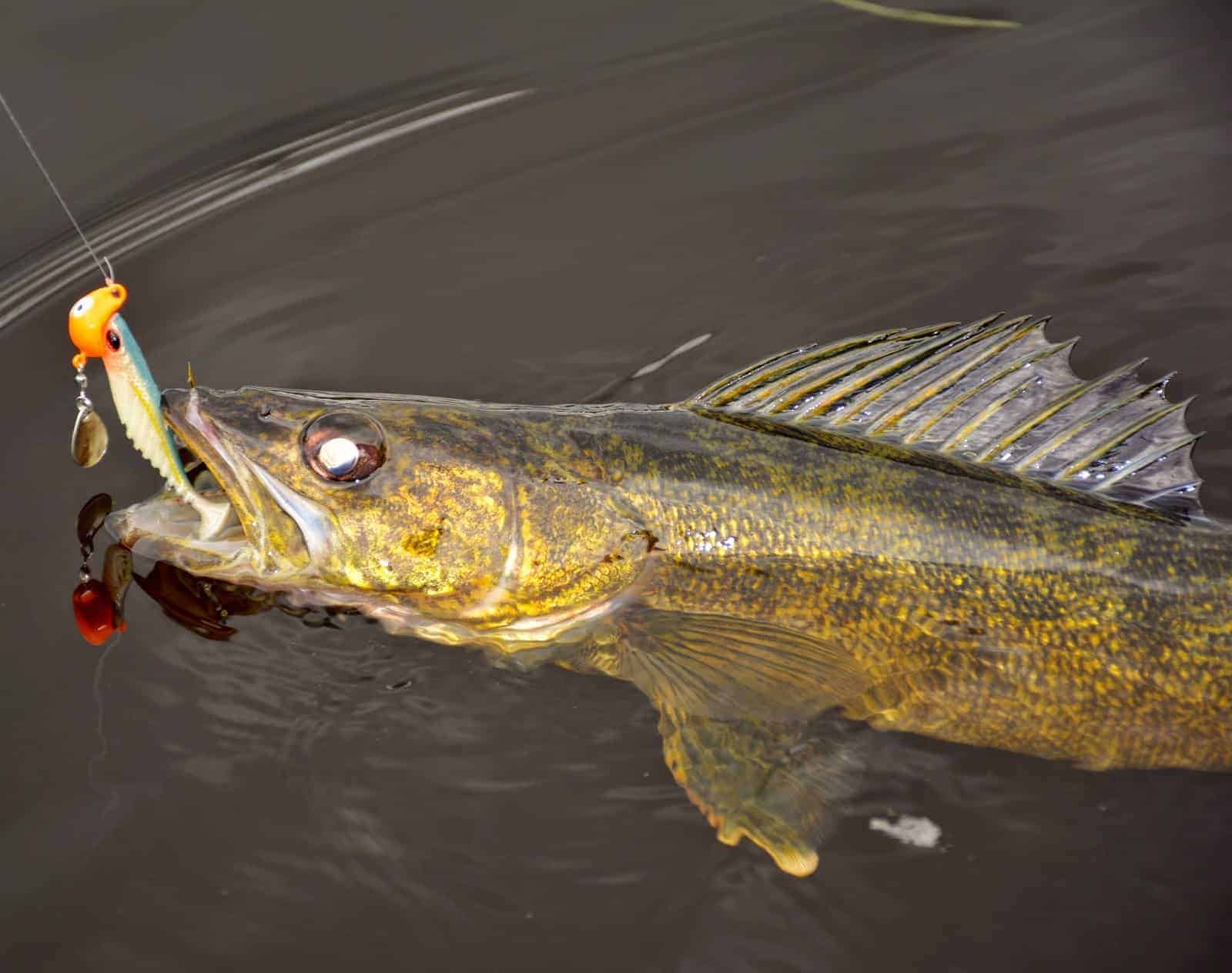
This is probably the most common method for Walleye fishing, it involves finding areas where fish hold tight to the bottom or ledge in their schools. Using either a jig head with a mounted soft bait, you cast out over your chosen area and let the jig sink to the bottom.
Jig fishing involves matching your rod and reel to the weight of jig that you are using. The retrieve styles when doing this kind of fishing are dictated by what sort of mood the fish are in. Jigging techniques are all very similar and are all about getting the lure to lift off the bottom of the lake and drop back down in a tantalizing way.
What makes one style more successful on a given day is the difference in pulse between putting action on the lure and the full rate of the lure as it drops back down. Matching the size and shape of the jig to what the fish are feeding on can make a huge difference. In most cases you want to use jigs as light as possible that still get in contact with the bottom in the depth that you are fishing.
When using lighter jigs, it means that the hang time on the drop is longer and gives for a longer strike time. Also, if the fish are sucking the lures off the bottom there is less resistance and chance of rejection. Jig fishing is simple but effective and it is very good for catching a variety of walleye.
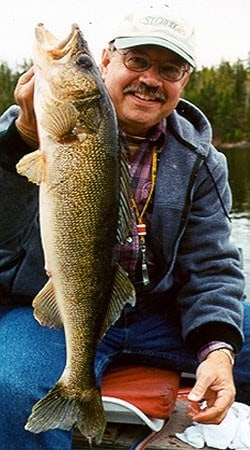
This method has become a go to method for catching Walleye in tough condition.
You rig up for drop shotting by having a thin braid tipped with a fluorocarbon tippet, your hook is then tied within your main line with either a Palomar knot or a dropper loop. When tying the hook into your fluorocarbon, it is a good idea to leave at least a two-foot tag, this allows you to then clip your drop shot weight underneath and suspend your lure up to the two foot off the bottom. The weights used can be clipped out and slid along the tag of line to allow you to fish at different depths. This method is particularly effective in cold water when the Walleye are less active.
You can fish your soft baits nearly static and allow the fish time to move in and inhale the lure at their leisure. The types of rods used for drop shotting are normally very sensitive allowing you to feel most timid of takes and to put the most minimum of movement into your lure.
Vertical Sharpshooting
Using fish finders and trolling to find big Walleye and position you above them. Depending on the fish finder you can watch your lures drop in close to the individual fish and even witness the Walleye move in and strike.
Lures used are very similar to that used in jig fishing, however, a great deal of movement is not needed with the lure and takes can be savage. This method is normally used to target the larger Walleye as you can see their size on the fish finder screen and because of this, the lures used are often slightly larger than that of the other two methods.