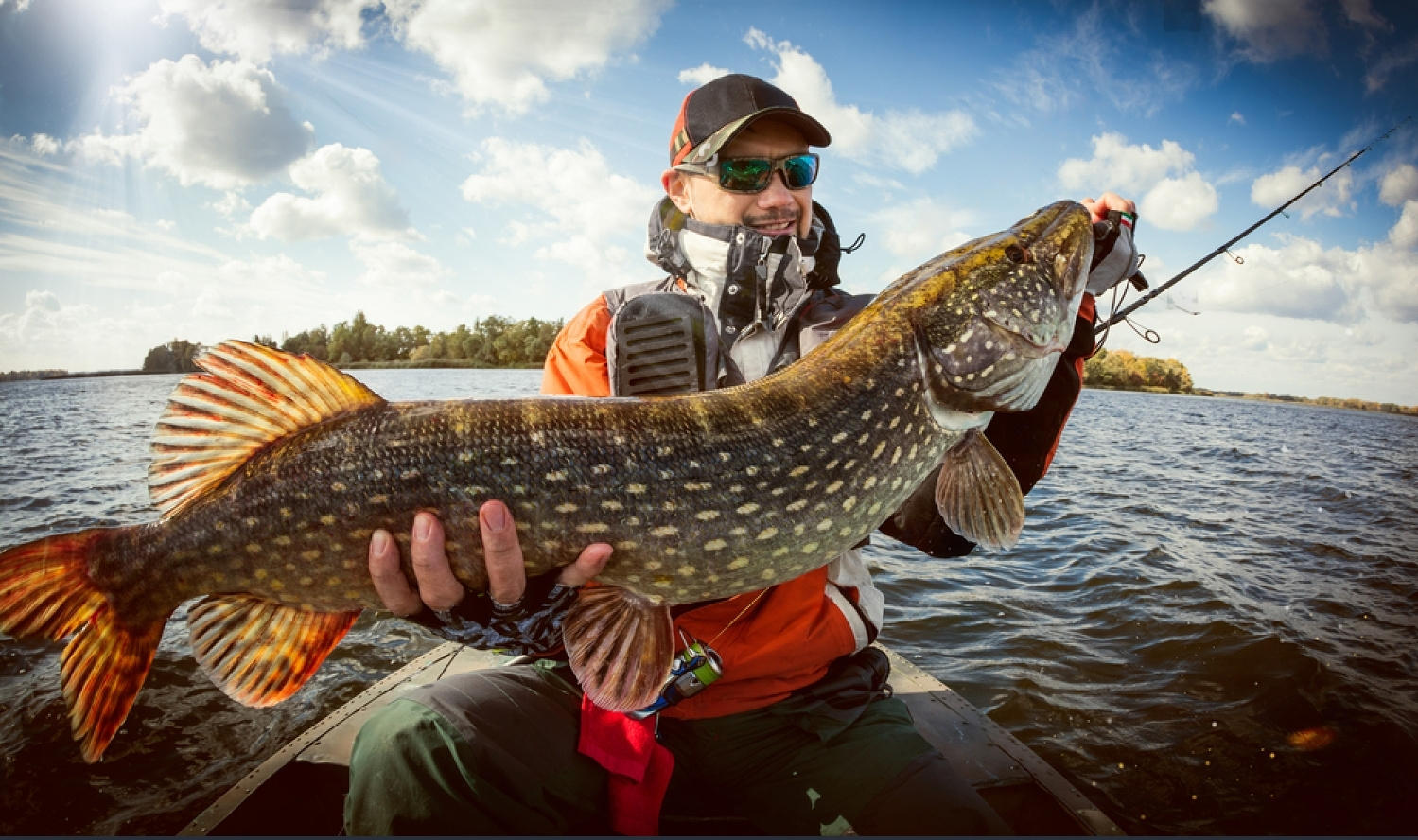


Northern Pike Fishing – Lure Color Options
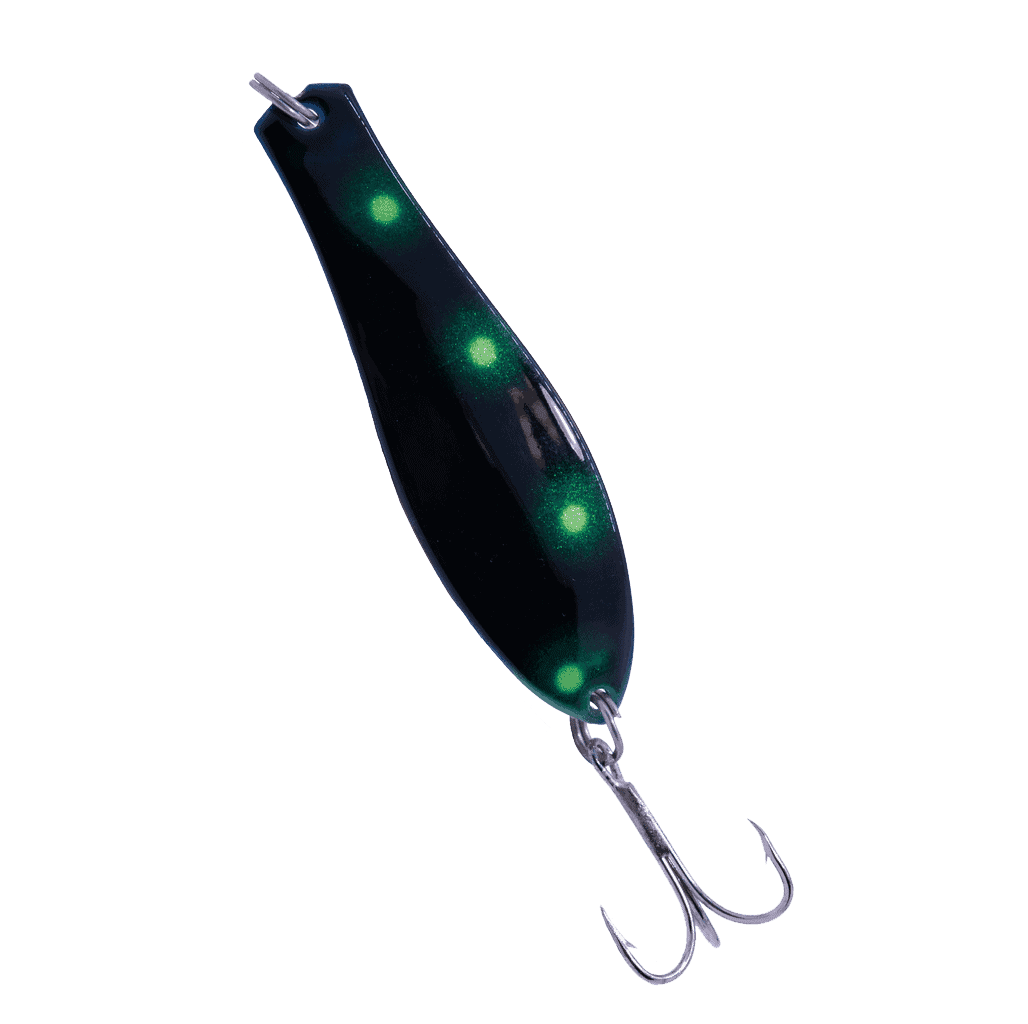
1. Dark Colored Lures
Did you know that a black lure is the most visible color underwater? In the stain Cobham River waters, black creates the most visible silhouette and stands out more from other lure colors. The silhouette of a dark lure has more of a natural appearance. Therefore black is often seen as the go-to natural color. When you scuba dive you can check this for yourself. Dark items in the water will create the best visible silhouettes.
2. Does Lure Detail Matter
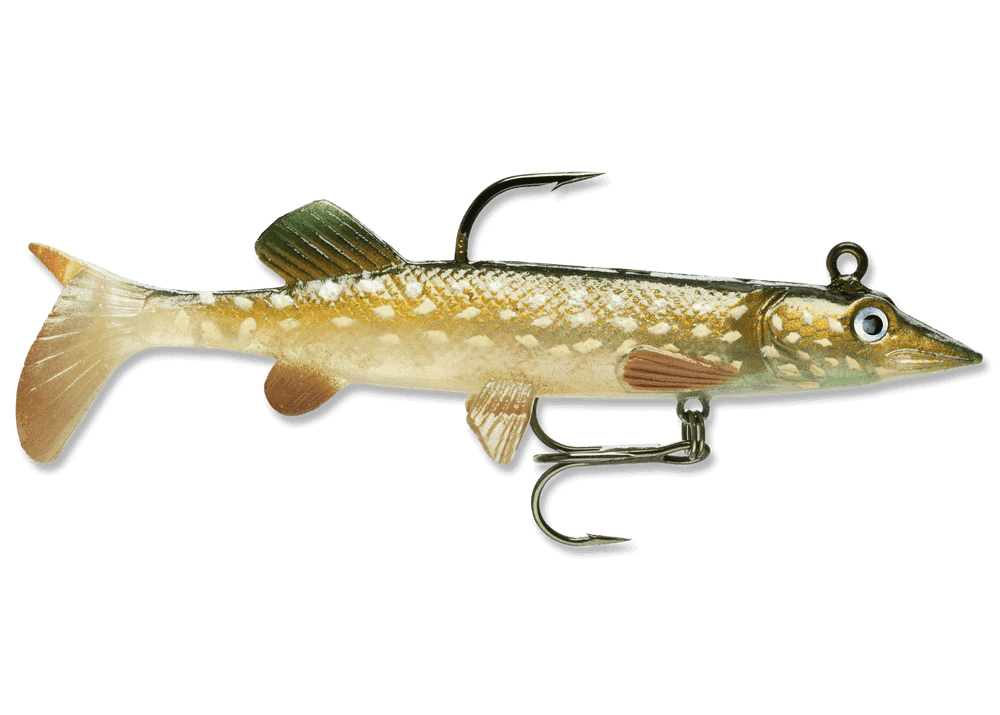
Of course not! Pike don’t care for details.
The most important feature in northern pike fishing lure is the shade of what you want it to represent. A lure with a perch or pike pattern will have a shade of a natural looking perch or pike. That is what triggers the pike, to strike. It is not in the lure details for the fish. Those details are made to catch you.
3. Lure Colors for Surface, Top water Northern Pike Fishing
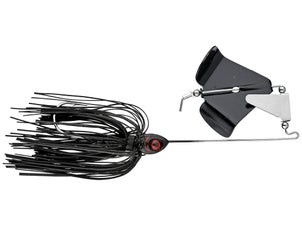
Well, we all know pike are visual predators. This means that a pike mostly hunts with his eyes. When a pike looks towards the surface, all lure colors look the same against the sky. They only see a black silhouette.
The only lure color that does pop out on the surface is reflective material. Shine not color is all that matters for top water bait.
4. Reflection is a Color for Northern Pike
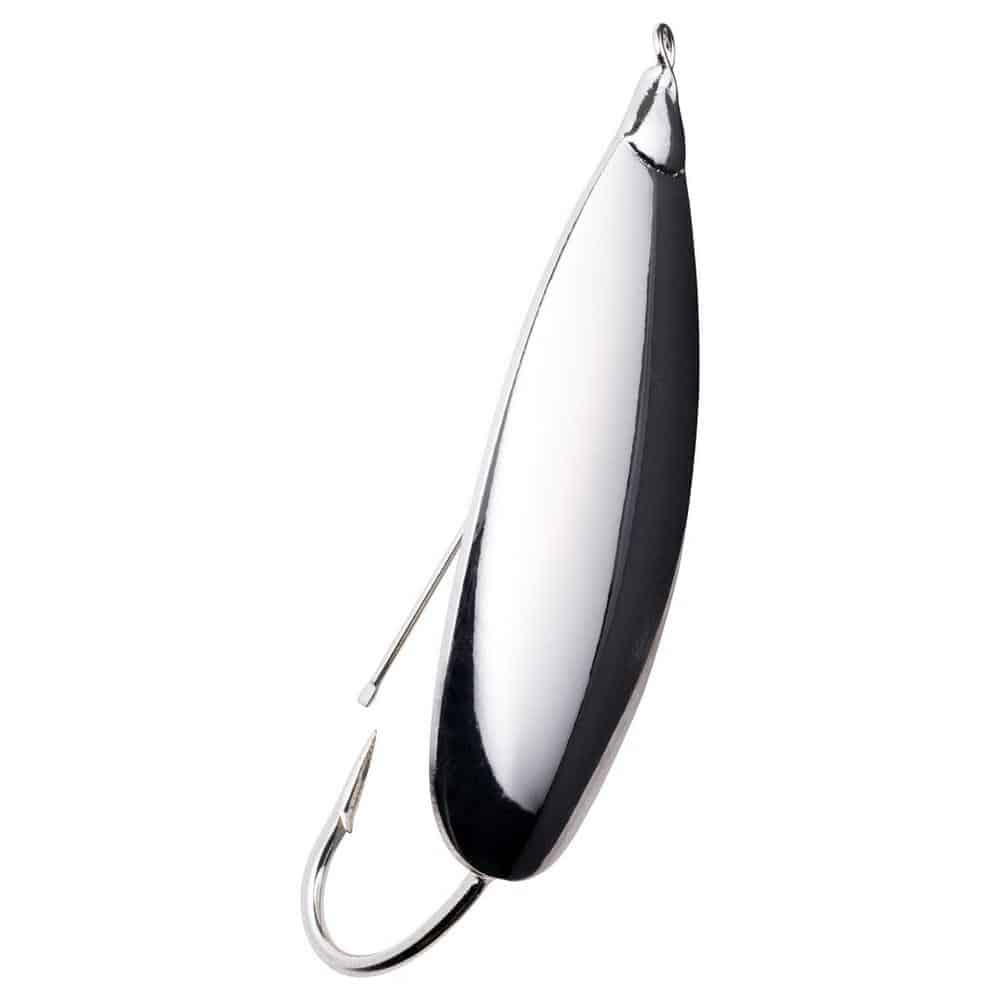
There are 2 things that a spoon and a spinner have in common. Which is vibration and light reflection. When we look at pike lures sold today we find the same lure in 50 different lure color options, manufacturers don’t use much reflective materials anymore.
On brighter and sunny days this is however the hottest color to fish with! Even in deep water, there is still light penetration and a light reflecting lure can be very deadly for big pike. So don’t just choose color lures on these sunny days, but try something flashy!
5. Confidence is the best lure color you can fish with
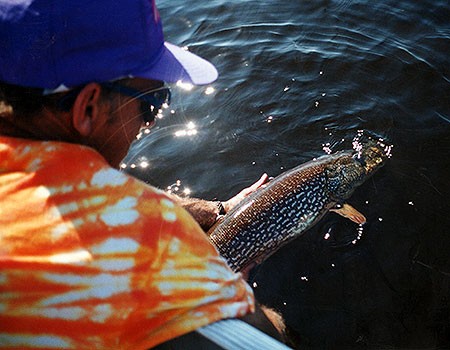
As long as there is confidence you will be creative and try new techniques such as spin stops, reel in a little faster, use more pauses etc. It keeps your productivity high. Once your confidence is gone, so will the focus on catching fish. So fish with the lure color you think will deliver fish. Your confidence is really important in the odds of catching a trophy pike!
If you take anything away from this article, remember this. Do not get snagged by the pretty lure colors! They are mostly designed to catch you, not the fish. There is no best lure color for northern pike fishing. The key in fishing is knowledge, presentation and location. Choose the lure color that fits in your presentation or fish with what gives you confidence. What gives you confidence is fun, and fun is what fishing is all about!